Introduction to Lord Murugan
Lord Murugan, also known as Kartikeya, Skanda, or Subramanya, is one of the most revered deities in Hinduism, especially in Tamil Nadu. He is celebrated as the god of war, wisdom, and victory, and is often depicted as a youthful warrior with a spear called the Vel. Murugan is regarded as the son of Lord Shiva and Goddess Parvati and the younger brother of Lord Ganesha.
Birth and Divine Purpose
According to Hindu mythology, Murugan was born to destroy the demon Surapadman, who had become a threat to the gods and the universe. The sparks from Lord Shiva’s third eye created Murugan, who emerged as a divine child with extraordinary powers. His birth symbolizes the triumph of good over evil and the divine mission to protect righteousness.
The Vel – Symbol of Power
Murugan’s weapon, the Vel, is not just a spear but a symbol of divine wisdom and power. It represents the destruction of ignorance and the protection of truth. The Vel was gifted to him by Goddess Parvati, making it a sacred emblem for his devotees.
Legends and Heroic Deeds
One of the most famous legends of Murugan is the battle against Surapadman. Riding his peacock, Murugan fought valiantly, splitting the demon into two parts which became his sacred mounts – the peacock and the rooster. This tale is celebrated during the Skanda Sashti festival, a time of intense devotion and fasting for his followers.
Murugan in Tamil Culture
Murugan holds a special place in Tamil culture, often described as the “Tamil Kadavul” or the Tamil God. His worship is deeply rooted in ancient Tamil literature, poetry, and traditions. Temples dedicated to him are found across Tamil Nadu and other parts of South India, each with its own legend and cultural significance.
The Six Abodes – Arupadai Veedu
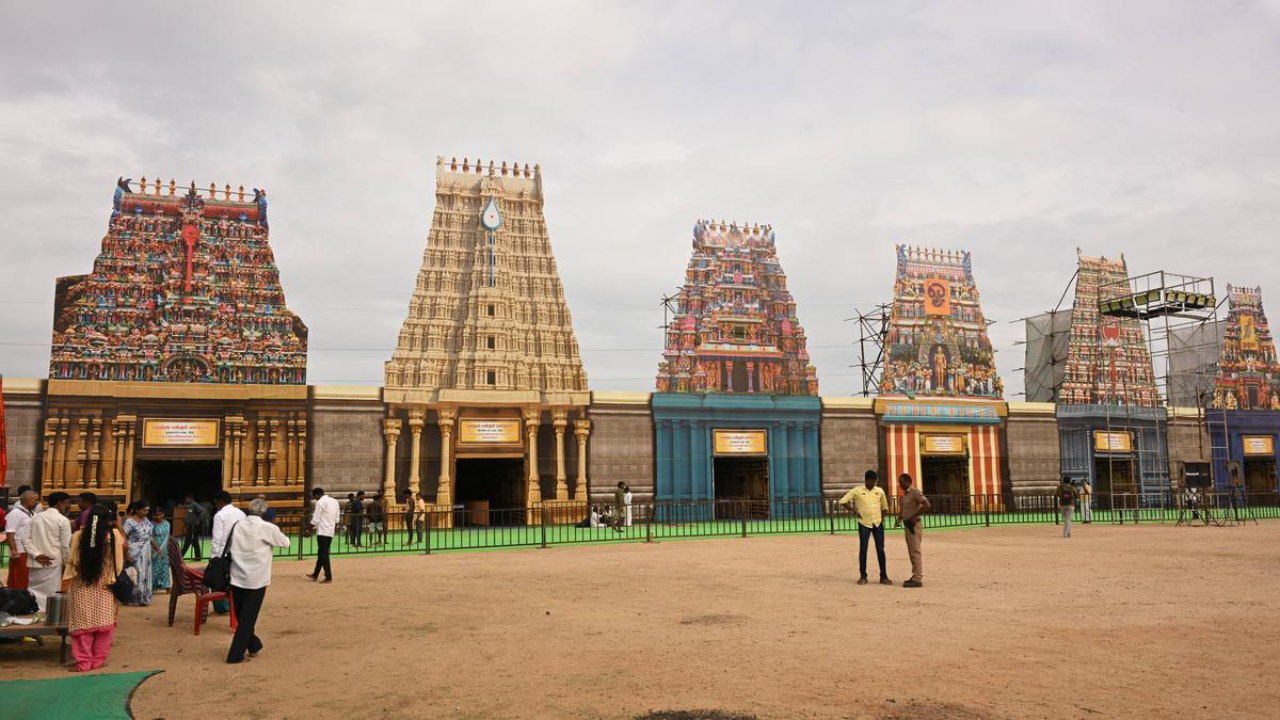
Murugan’s devotion is closely tied to the six sacred abodes known as Arupadai Veedu. These include Thirupparamkundram, Thiruchendur, Palani, Swamimalai, Thiruthani, and Pazhamudircholai. Each temple represents a unique chapter in his life and divine mission, making the pilgrimage a spiritual journey of faith and devotion.
Festivals Dedicated to Murugan
Several festivals are celebrated in honor of Lord Murugan, with Thaipusam and Skanda Sashti being the most prominent. Thaipusam marks the day when Murugan received the Vel from Parvati, while Skanda Sashti commemorates his victory over Surapadman. These festivals attract millions of devotees, many of whom undertake vows, carry kavadis, and engage in acts of devotion.
Symbolism and Spiritual Lessons
Murugan’s life and deeds are filled with symbolism. His youthful appearance reflects eternal energy and enthusiasm, the peacock represents the conquest of pride, and the rooster symbolizes vigilance. His stories encourage courage, discipline, and the pursuit of wisdom.
Lord Murugan is more than a warrior god; he is a symbol of righteousness, knowledge, and compassion. His presence in temples, festivals, and the hearts of millions continues to inspire people to lead a virtuous and purposeful life. For devotees, worshipping Murugan is not only an act of faith but also a journey towards inner strength and spiritual awakening.
Introduction to Arupadai
Arupadai, meaning “six battle camps,” refers to the six sacred abodes of Lord Murugan in Tamil tradition. These temples hold immense religious significance for devotees, representing the divine victories of Murugan over evil forces. Each of these places is associated with a unique legend, festival, and spiritual importance, making them an integral part of Tamil culture and devotion.